
Green Fox Manufacturing is a U.S.-based partner that turns natural and cellulose fibers into performance-focused nonwoven materials using airlay technology. We help product teams move from an idea or early prototype to manufacturable mats, pads, and panels that meet real performance, sustainability, and cost targets.
For many teams, the biggest barrier to using natural fibers isn’t interest, it’s execution. Many companies are looking for more sustainable materials, but lack the specialized equipment, fiber expertise, or manufacturing bandwidth to make it real. Entering a new category like fiber-based acoustics or horticultural products can feel risky when you’re not sure how fibers will behave in production or how they’ll perform in the field.
Green Fox Manufacturing was built specifically to bridge that gap. We combine hands-on agricultural knowledge from our family farm in Minnesota with fiber processing and airlay nonwoven manufacturing capabilities. That allows us to speak both languages: the realities of how fibers grow and the requirements of how materials must perform in the market.
By positioning ourselves as a manufacturing partner rather than just a contract converter, we work alongside R&D, product development, and operations teams. Whether you’re refining an existing specification or exploring an entirely new concept, our goal is the same: help you launch fiber-based products that work in real-world conditions.
FROM FARM-GROWN FIBERS TO PERFORMANCE NONWOVENS
Green Fox Manufacturing is rooted in agriculture. We source many of our natural fibers from our Minnesota family farm, where we’ve spent generations learning how crops like hemp grow, how they respond to different conditions, and how those decisions show up in the fibers we process later.
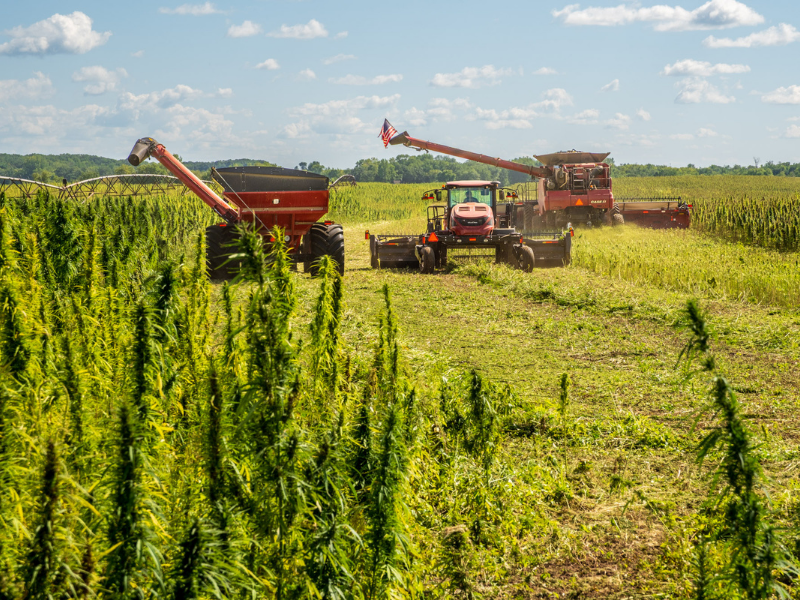
That vertical integration matters for teams entering the fiber space. Instead of searching globally for fiber sources and hoping they meet quality expectations, partners can work with a supply chain that starts just down the road from our manufacturing facility. The industrial hemp grown on our family farm is used in applications like hemp-based acoustic materials and animal bedding, giving us better control over consistency, traceability, and sustainability metrics.
We then carry that agricultural perspective into fiber processing and nonwoven material development. Because we understand the starting crop, we can help you evaluate which fibers are most likely to achieve your goals. Hemp, flax, cellulose, cotton, and wood fibers each behave differently in processing and bring different strengths to the finished material. Instead of forcing every project into a single recipe, we start by clarifying the target: Is this material meant to absorb sound, manage moisture, provide cushioning, or biodegrade after a certain timeframe? From there, we look at how fiber selection, density, thickness, and layering can support those outcomes. Our goal is to create performance-driven materials that still align with the sustainability story your customers expect.
HOW OUR AIRLAY NONWOVEN LINE UNLOCKS NEW POSSIBILITIES
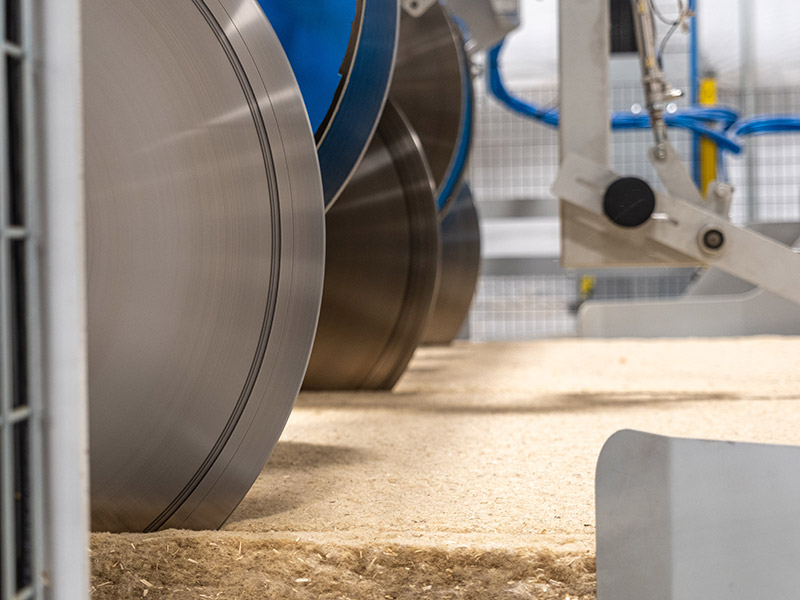
At the heart of Green Fox Manufacturing is our Cormatex airlay nonwoven line. Airlay technology forms a web of fibers using air instead of water or carding alone, which allows us to process a broad mix of fiber types and lengths into consistent mats, pads, and panels.
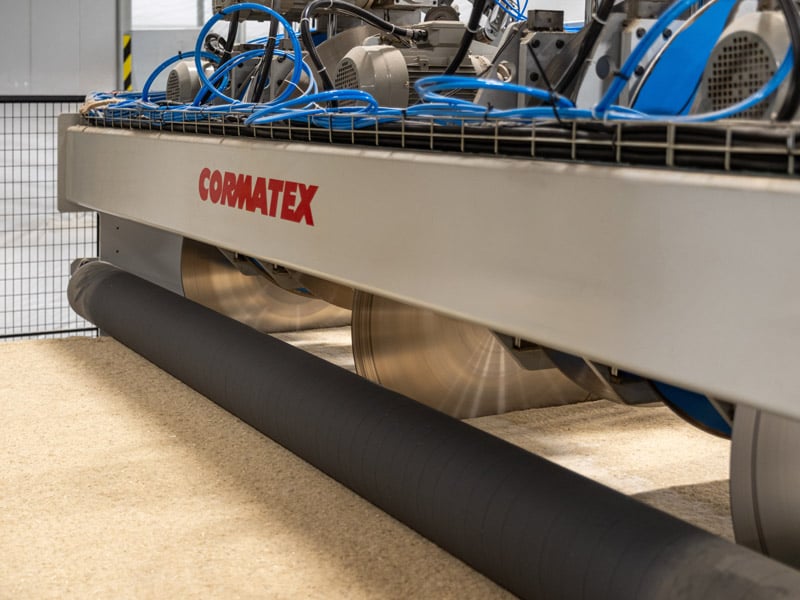
Our line is designed to handle fibers such as hemp, flax, cellulose, cotton, wood fibers, and custom blends. This flexibility is critical for partners who want to tailor materials to specific performance needs. Because airlay technology allows us to control fiber distribution, basis weight, and thickness, we can create nonwovens that are optimized for your application instead of relying on an off-the-shelf substrate. That might mean adjusting fiber ratios to improve sound absorption at certain frequencies or tuning the material structure to balance absorbency and strength for animal-care products.
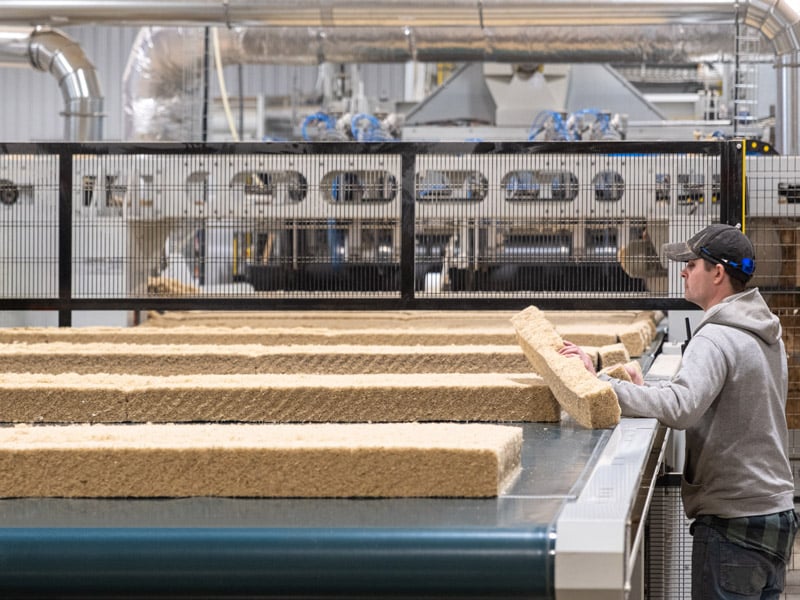
Our team works with you to translate application requirements into material parameters. We then use our equipment and process expertise to run trials, evaluate results, and refine specifications. This approach helps de-risk projects, especially for companies entering fiber-based categories for the first time.
By leveraging our airlay capabilities, partners can explore new material concepts without having to invest in specialized nonwoven equipment themselves. Instead, you test ideas on a production-ready line that is already tuned for natural and cellulose fibers.
FLEXIBLE ENGAGEMENT MODELS: OEM, CO-MANUFACTURING, AND TOLL
Different teams enter the natural-fiber space at different stages. Some arrive with a finished design and clear specifications. Others come with a concept, a sample, or even just a performance challenge they want to solve. Green Fox Manufacturing is structured to support all scenarios through three primary engagement models.
In an OEM or white label manufacturing relationship, we produce components or finished nonwoven materials that integrate into your products or are sold under your brand. You bring the product and market, and we bring the fiber sourcing, manufacturing platform, and quality controls needed to run repeatable production.
In a co-manufacturing model, you retain ownership of your product and formula while we manufacture to your specifications using our in-house fibers and production capabilities. This is often a fit for teams that have validated a concept but need additional capacity or want to transition from pilot runs to scalable output.
In a toll manufacturing setup, you provide the idea, product specifications, and raw materials then we convert them into agreed intermediate or finished materials. You maintain control over fiber sourcing and product design while leveraging our airlay line, process expertise, and converting services.
Across all three models, the common thread is flexibility. We recognize that innovation rarely follows a straight path, so our operating model is designed to support iteration, scalability, and long-term production.
WHERE NATURAL FIBERS FIT: KEY INDUSTRIES AND USE CASES
Natural fibers have a long history, but new processing technologies are expanding where they can be used. Green Fox Manufacturing focuses on performance-focused nonwoven materials for markets where sustainability, function, and cost-effectiveness work together.
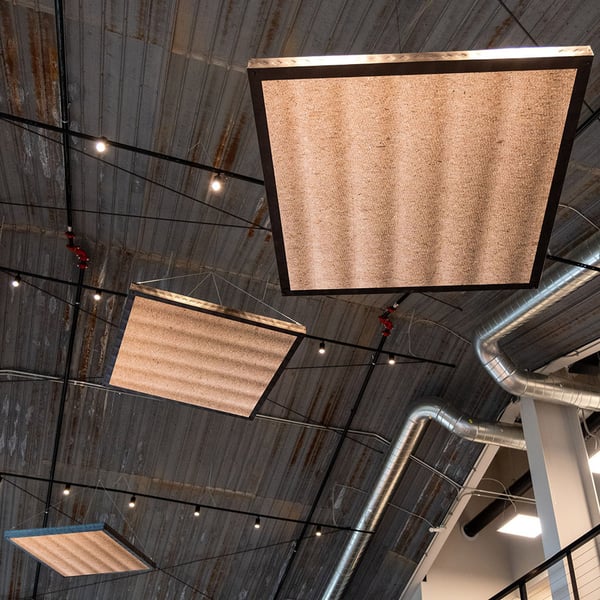
In acoustics and sound management, fiber-based nonwovens can provide sound absorption and interior comfort while supporting a lower environmental footprint. For example, hemp- and cellulose-based acoustic panels can help reduce reverberation in commercial spaces while aligning with green-building goals.
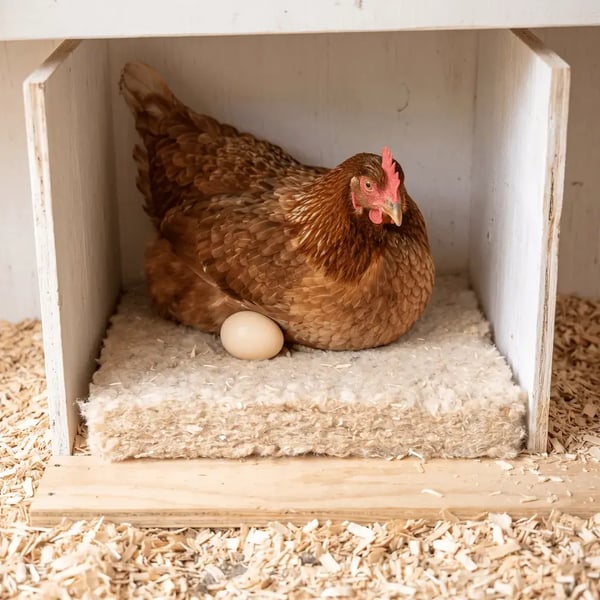
In animal care and nesting, biodegradable fiber-based materials can support poultry nesting pads, pet cage liners, and other bedding applications. Here, absorbency, comfort, and clean-out efficiency are as important as end-of-life considerations.
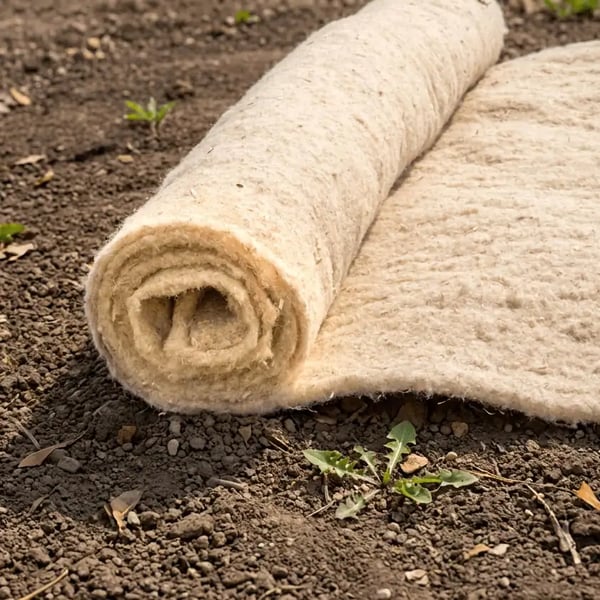
For landscaping and horticulture, nonwoven mats made from hemp, wood fibers, and blends can help with weed suppression, erosion control, and moisture management. These materials give growers and land managers a way to support plant health while using renewable inputs that will naturally decompose over time.
Beyond these areas, we are actively exploring packaging, building and construction, and automotive components. In each case, the goal is to use fibers and process design to create solutions that perform in the field, not just on paper.
PARTNERING WITH GREEN FOX MANUFACTURING
As Green Fox Manufacturing enters and grows within the fiber-based manufacturing industry, our focus is on collaboration. We work best with teams that are ready to ask, “What if this product could be made from natural fibers?” and are looking for a partner who understands both the crop and the production line.
For established brands, that might mean transferring an existing specification to a more sustainable, fiber-based material while maintaining performance metrics. For innovators, it might look like starting with a sketch or a sample and using our airlay capabilities to explore how different fiber blends perform. In both cases, we bring a controlled, Minnesota-based supply chain and specialized equipment tailored to natural and cellulose fibers.
We also recognize that sustainability goals are increasingly central to corporate strategy. By grounding our work in vertically integrated sourcing, responsible agricultural practices, and efficient manufacturing processes, we help partners build products that support those commitments. Whether you need OEM production, co-manufacturing support, or toll processing of your own fibers, we’re ready to explore what’s possible together.
Custom Nonwoven Manufacturing: What You Need to Know Before Choosing a Partner
Choosing a custom nonwoven man …
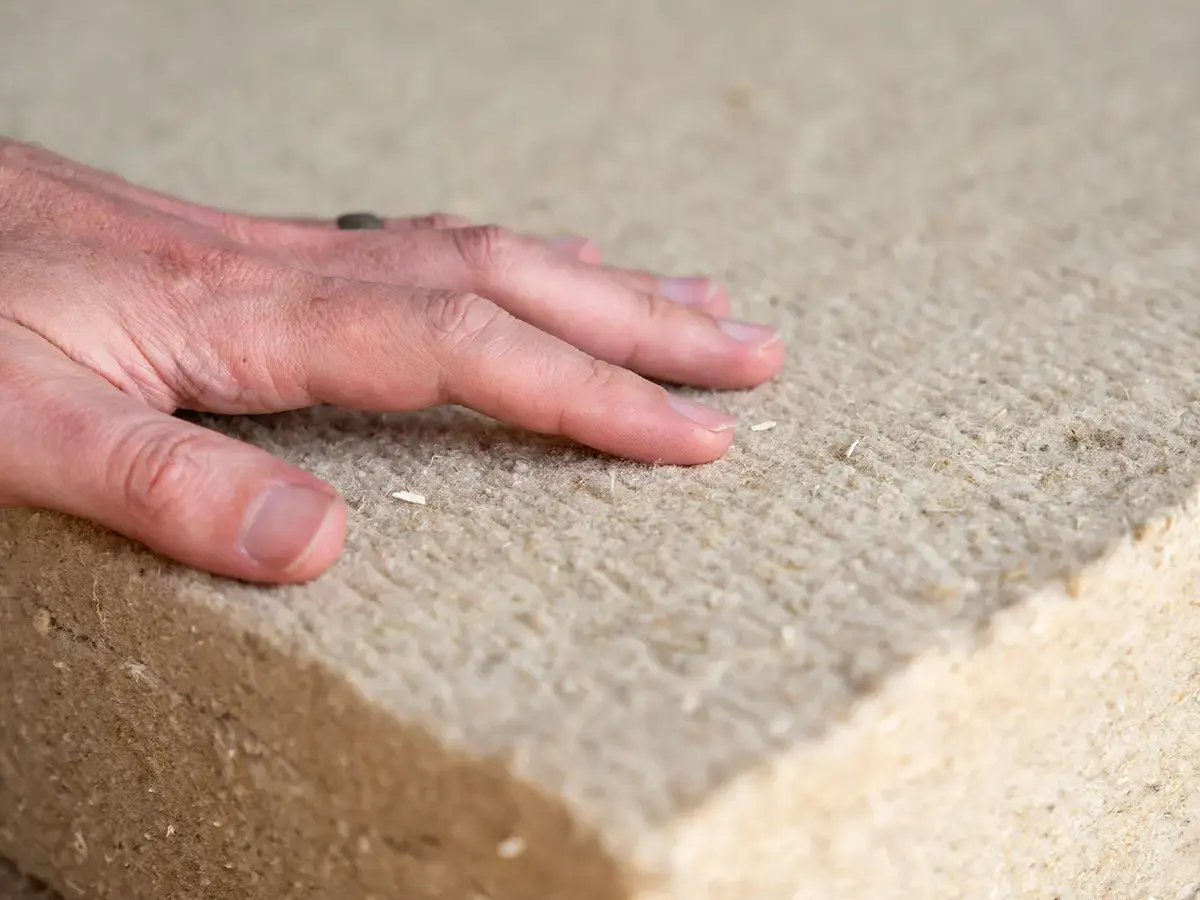
How It's Made: Hemp Fiber Insulation
Hemp insulation manufacturing …
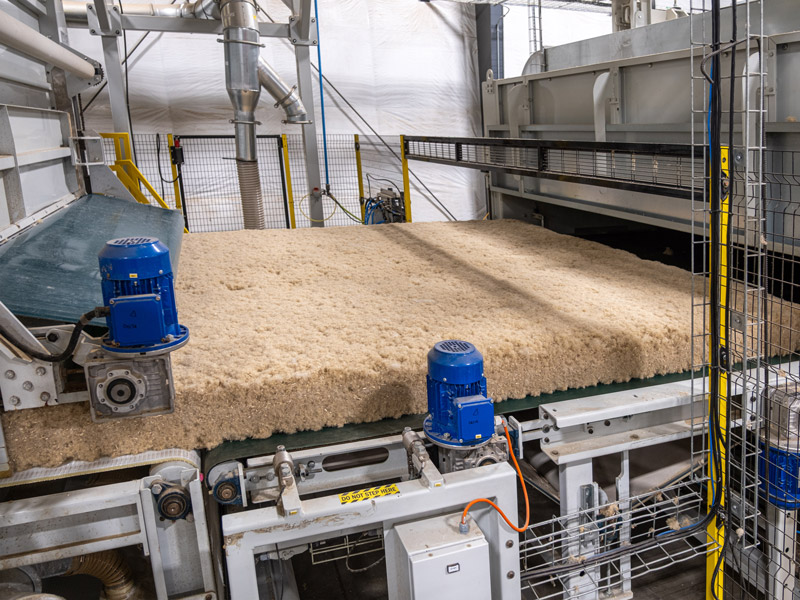
Airlaid Manufacturing: How It Works and What It’s Used For
Nonwoven fiber-based materials …