
Nonwoven fiber-based materials are used in products and industries ranging from acoustics and animal care to and landscaping and packaging. But not all nonwovens are made the same way. Airlaid nonwoven manufacturing is a process that uses airflow to distribute fibers into a uniform web, which is then formed into a finished nonwoven material. Unlike traditional textile manufacturing, airlaid technology can process a wide range of natural, cellulose, and recycled fibers.
At Green Fox Manufacturing, we use Cormatex airlaid technology to transform natural and cellulose-based fibers into custom nonwoven materials. So, how does airlaid manufacturing work, and what can it be used for? Let’s take a closer look at the process, materials, and applications behind this versatile manufacturing technology.
WHAT IS AN AIRLAID NONWOVEN?
An airlaid nonwoven is a material made by distributing loose fibers into a web using air rather than weaving or knitting them together. Unlike woven fabrics, which are made by interlacing yarns, nonwoven materials are created by arranging fibers and then bonding them together. The resulting material can be engineered for different thicknesses, densities, strengths, lofts, stiffness, and other performance characteristics.
The airlaid process is particularly useful for Green Fox Manufacturing because it gives us the flexibility to work with a range of natural fibers and develop custom nonwoven materials for different applications and industries.
HOW DOES AIRLAID MANUFACTURING WORK?
While the exact process can vary depending on fiber blend and the desired product, airlaid manufacturing generally involves several key steps:
1. Fiber Preparation
At Green Fox Manufacturing, we source our own natural fibers through our family-owned farm, giving us a direct connection to some of the raw materials used in our manufacturing process. We can also work with custom fiber blends and customer-supplied fibers when a project calls for specific material characteristics or fiber combinations.
Depending on the application, fibers may include hemp, flax, cellulose, cotton, wood fibers, or other compatible materials. Fibers are prepared for processing based on the requirements of the finished nonwoven material.
Fiber selection is an important part of custom nonwoven manufacturing because different fibers can contribute different properties, including loft, stiffness, strength, texture, density, and other performance characteristics.
2. Fiber Separation and Distribution
Once the fibers are prepared, they are separated and introduced into an airflow. The air carries and distributes the individual fibers across a forming surface. Rather than being woven into a pattern, the fibers are randomly or directionally distributed to create a fiber web. This is one of the defining characteristics of airlaid manufacturing: air is used to create the initial structure of the nonwoven material.
3. Web Formation
As the fibers are deposited, they build into a continuous layer or web. The manufacturing process can be adjusted to control factors such as the amount of fiber deposited, the thickness of the web, and the overall density of the material. This gives Green Fox Manufacturing the ability to create materials with different physical characteristics depending on the intended application.
4. Bonding
After web formation, the loose fiber web then needs to be stabilized. Depending on the material and application, bonding can be accomplished through different methods. The bonding step holds the fibers together and gives the finished nonwoven its structural integrity.
5. Finishing and Converting
After bonding, the material can be finished and converted according to our partner’s specifications. This may include adjustments to dimensions, thickness, density, or other characteristics required for a specific product or application.
WHAT MATERIALS CAN BE USED IN AIRLAID NONWOVENS?
One of the advantages of airlaid technology is its flexibility in fiber selection. Airlaid processes can be used with a variety of fibers, including:
- Hemp
- Flax
- Cellulose
- Cotton
- Wood fibers
- Other compatible natural and synthetic fibers
At Green Fox Manufacturing, we focus on natural and cellulose-based fiber materials and work with customers to determine which fiber or fiber blend makes sense for their application.
The right material depends on what the finished product needs to accomplish. An absorbent material for animal care, for example, may have very different requirements than a high-density product for acoustic applications.
WHAT ARE AIRLAID NONWOVENS USED FOR?
Airlaid nonwoven materials can be engineered for a wide range of applications. Some of the common applications we help support include:
1. Acoustics and Sound Management
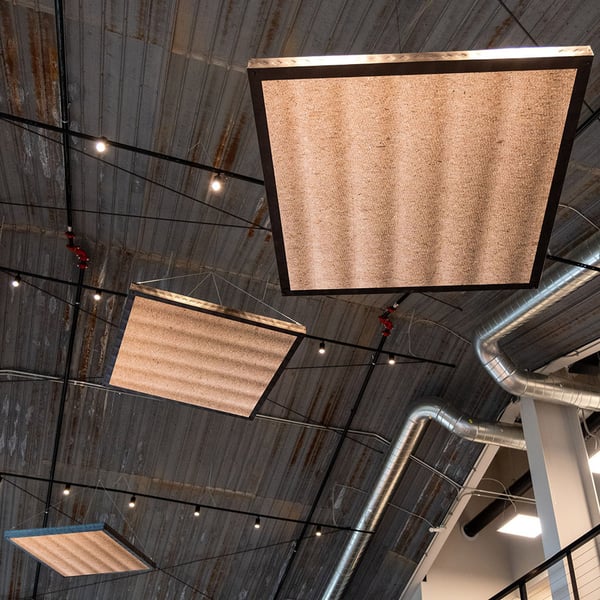
Higher-density natural fiber nonwovens can be designed for acoustic applications, like hemp fiber acoustic panels used to help manage sound in interior environments.
2. Animal Care
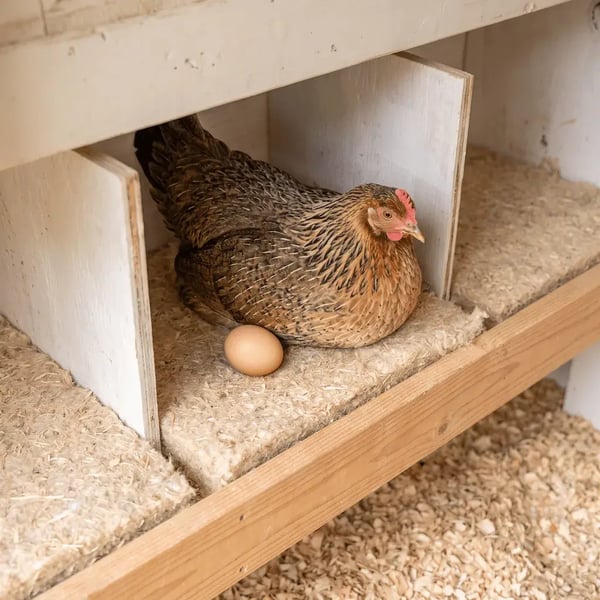
Airlaid materials can be used to manufacture products such as cage liners, nesting materials, pads, and other animal-care products where absorbency, softness, and fiber composition are important.
3. Landscaping and Horticulture
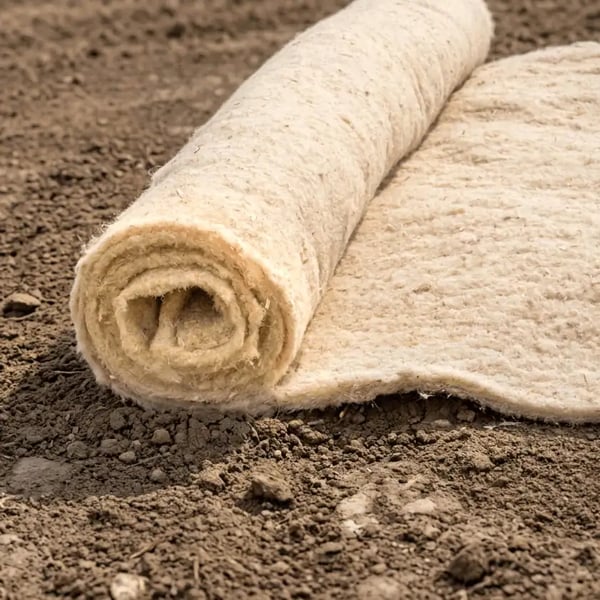
Natural fiber nonwoven materials can also be engineered for landscaping and horticultural applications, including erosion control blankets, grown mats, and soil discs.
WHY USE AIRLAID MANUFACTURING FOR CUSTOM NONWOVENS?
The biggest advantage of airlaid manufacturing is flexibility. Because the process starts with individual fibers rather than a finished fabric or yarn, we can help partners customize the composition and structure of their products. Depending on the application, this can include adjustments to:
- Fiber type
- Fiber blends
- Basis weight
- Thickness
- Density
- Material structure
- Finished dimensions
- Bonding characteristics
This flexibility makes airlaid technology particularly useful for companies looking for nonwoven materials and development support around their specific product or performance requirements.
IS AIRLAID MANUFACTURING RIGHT FOR YOUR APPLICATION?
There is no one-size-fits-all nonwoven material. The right manufacturing process depends on the properties your application requires, the fibers you want to use, production volumes, and the specifications of the finished product.
If you're exploring a natural or cellulose-based fiber nonwoven or need a custom material for a specific application, Green Fox Manufacturing can work with you to develop custom nonwoven materials using our airlaid technology and a range of natural fibers.
Custom Nonwoven Manufacturing: What You Need to Know Before Choosing a Partner
Choosing a custom nonwoven man …
Hemp Hurd to High-Performance: Inside Green Fox Manufacturing
Hemp hurd is the woody core of …
Green Fox Manufacturing: A New Partner for Fiber Innovation
Green Fox Manufacturing is a U …