
Vertical integration at Green Fox Manufacturing means we grow, process, package, and ship every product ourselves, instead of outsourcing steps to distant third parties. By owning each stage from seed in the ground to finished product, we control quality, timelines, and environmental impact in a way fragmented supply chains simply can’t.
For us, that story starts just down the road from our Minnesota facility at Rookie Farmers, our fifth-generation family farm. There, we intentionally practice regenerative agriculture: minimal tillage, living roots in the soil year-round, diverse crop rotations, and constant soil cover. Those choices aren’t buzzwords; they’re why our soil gets healthier each season instead of more depleted.
Because the farm and facility are tightly linked, decisions in the field are made with manufacturing in mind. For example, crop rotations are planned not only for soil health, but also for the seed and fiber specs our processing lines are tuned to. That alignment is much harder when you’re buying bulk commodities from a broker.
This is a different form of vertical integration than what you’d see in many industrial supply chains built around acquisitions or long supplier lists. Our integration is geographic and operational: a short drive between field and facility, one team aligned on quality and sustainability, and a clear line of sight from planting plan to finished product.
It also means that when partners ask detailed questions about how crops are grown, how seeds are cleaned, or how fiber is processed, they’re talking directly to the people doing the work, not to an intermediary reading from a spec sheet.
HOW FIELD-TO-FACILITY CONTROL PROTECTS QUALITY
When every handoff is internal, quality doesn’t depend on multiple suppliers. With vertical integration, the same team is accountable for agronomy, harvesting, processing, and final packaging, so issues get caught earlier and consistency improves from batch to batch.
Take our industrial hemp. Harvest typically runs from mid-August to late October. Our farmers first remove the seed heads, then bring that crop directly to our Green Fox facility. There, our food-safety team cleans, sifts, and shells the seeds into Hemp Hearts with no added chemicals or preservatives.
Because we run the equipment ourselves, we can dial in settings for the exact moisture, size, and cleanliness targets we want, rather than accepting whatever a generic processor can deliver. If a specific field’s crop behaves differently, we can adjust on the fly instead of writing it off as “out of spec.” The same control extends to our hemp hurd. We process hemp stalk bales and separate the hurd from the fiber in our facility to control fiber lengths, dust, and overall quality.
This integrated approach reduces variability that end customers often feel but rarely see in spec sheets: how fresh a product tastes, how uniform the particle size is, how clean the bedding looks in a stall. Because we own the chain, we can trace each finished lot back to the field and process settings that created it.
REDUCING RISK AND ASTE THROUGH INTEGRATED OPERATIONS
Fragmented supply chains add risk at every handoff. Vertical integration minimizes those handoffs, which cuts lead times, reduces freight mileage, and lowers the chance that something goes wrong between field and finished product.
In many industries, manufacturers rely on long sequences of external vendors for cleaning, milling, pressing, packaging, and logistics. Any delay can stall an order for weeks. Integrated manufacturing keeps most of those steps under one roof, which is exactly how we operate at Green Fox Manufacturing.
When hemp leaves our fields, it travels a short distance to our facility, where decortication, packaging, and storage are all coordinated by a single operations team. This reduces the number of truckloads, scheduling windows, and quality checks involving other companies.
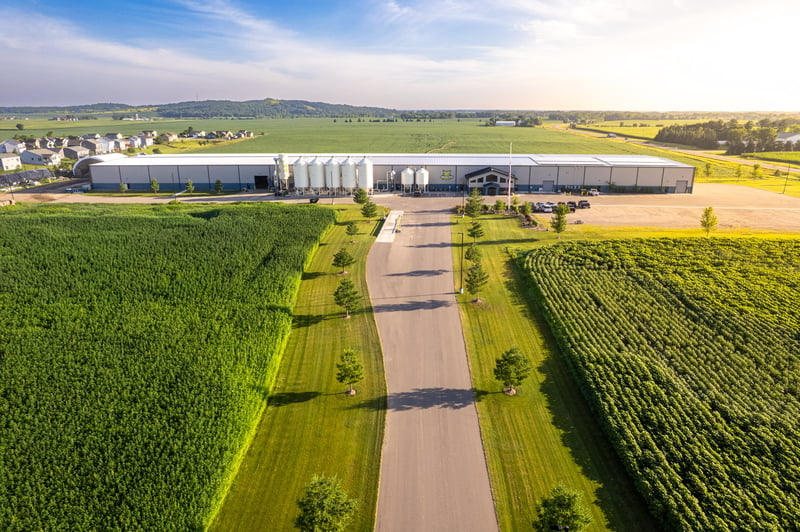
Fewer handoffs also mean fewer opportunities for loss. By streamlining our process, we preserve more of what we grow and can account for it at each stage. This integration also strengthens resilience. If a customer needs a packaging change or a different lot size, we can reconfigure our own lines instead of renegotiating with several vendors. That flexibility is especially valuable as sustainability-focused buyers shift away from “just-in-time” purchasing toward more deliberate, traceable sourcing.
USING 100% OF THE HEMP PLANT TO CREATE MULTI-INDUSTRY VALUE
Vertical integration is not just about control; it’s how we turn one crop into a portfolio of products. By managing every step, we can design processes that use 100% of the hemp plant, supporting our zero-waste commitment while creating value for food, feed, and building-material customers. From the seed portion of the harvest, we create multiple outputs. Shelled Hemp Hearts become a nutrient-dense, plant-based protein. The same seeds can be cold-pressed into hemp seed oil rich in omega fatty acids and antioxidants. The coproduct of pressing, hemp cake, is not discarded. Instead, we capture and package it for animal diet uses.
.png?width=800&height=600&name=minnesota%20grown%20industrial%20hemp%20(1).png)
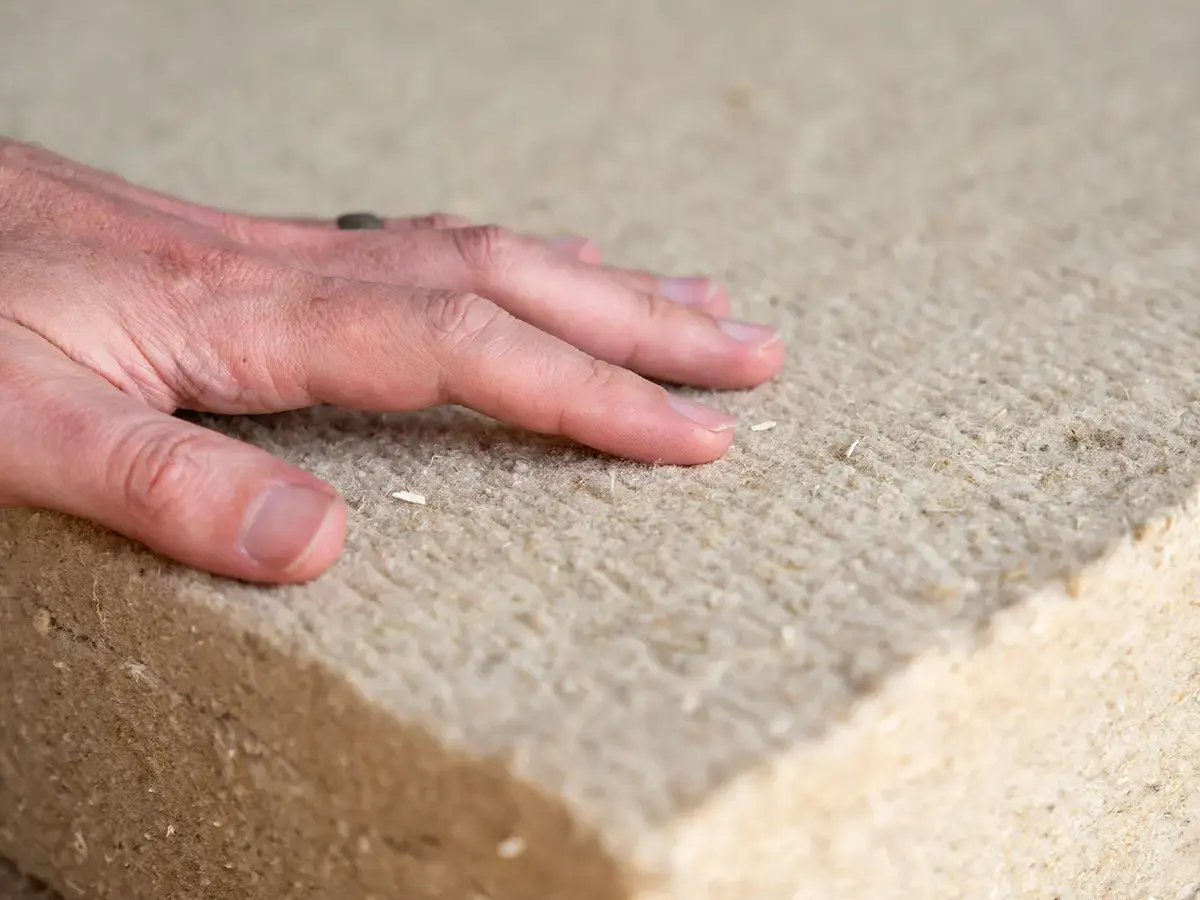
Once seeds are off the plant, the remaining stalks are baled and transported to our facility. There, we run them through decortication to separate long bast fiber from the woody hurd. This fiber becomes inputs for hemp-based airlaid nonwoven materials like insulation and acoustic panels. The hurd becomes low-dust animal bedding and can support other emerging bio-based applications.
Because we own the entire chain, we can balance these product streams in a coordinated way. If demand for nonwoven materials spike, we can allocate more fiber in that direction while still meeting commitments to our animal bedding customers. If a co-manufacturing partner wants to test a new product concept, we can trial changes without redesigning someone else’s factory. This multi-output design reflects what many supply-chain experts highlight: vertically integrated systems have more options for value capture and waste reduction because they see the whole flow, not just a single step.
Our vertical integration extends through storage, packaging, and fulfillment, so we can ship reliably without handing your order off to another packer or consolidator first. After processing, finished goods move into our in-house, food-safe storage. All Green Fox retail-ready items are packaged on-site and held ready for order. Because we manage inventory ourselves, we know exactly what is on hand and how long it has been there.
BUILDING A REGENERATIVE AND RESILIENT SUPPLY CHAIN
Vertical integration at Green Fox Manufacturing is inseparable from our long-term sustainability and resilience goals. By aligning farm practices, manufacturing, and energy use under one vision, we can reduce emissions, improve soil health, and build a supply chain that is ready for stricter environmental expectations.
Our Green Fox Sustainability Pledge guides decisions at every level. On the energy side, we focus on efficiency and solar integration at our facilities. On the agronomy side, we prioritize regenerative practices like minimal tillage, cover crops, and hemp cultivation that leaves the land better than we found it. Operationally, our zero-waste model ensures every plant we grow has a purpose.
Because we are vertically integrated, improvements in one area benefit the whole system. Better soil health leads to more resilient crops, which support more consistent processing and product quality. Energy-efficient equipment cuts operating costs and emissions for every product line, not just one.
Vertically integrated supply chains can respond faster to regulatory shifts, new standards, and changing customer expectations because decision-makers see across the entire value chain. That’s the position we are intentionally building toward: a supply system that is transparent enough to withstand scrutiny and flexible enough to adapt. For customers and partners, choosing a vertically integrated manufacturer like Green Fox MFG means aligning with a supply chain designed for the next generation, not just the next quarter.
From our family farm to our manufacturing floor and out to your shelves or facilities, every link in the chain is built to support quality, transparency, and sustainability over the long term.
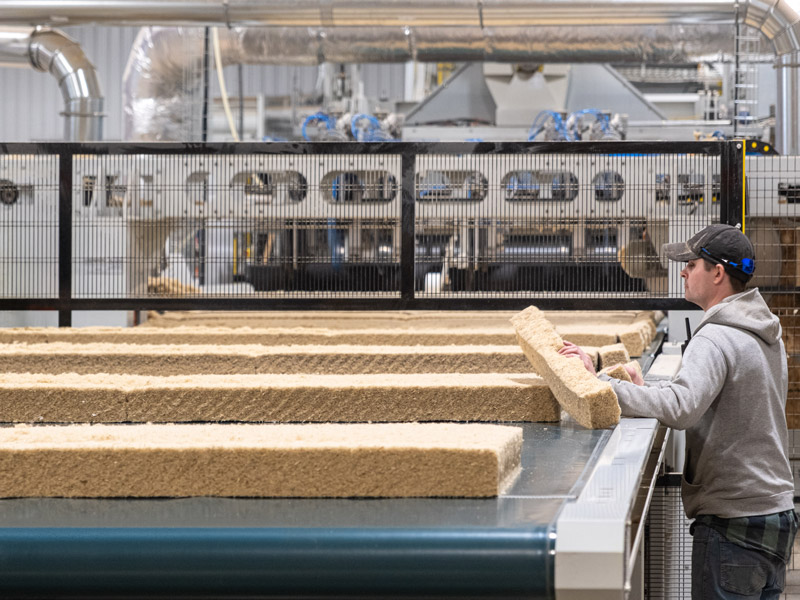
Green Fox Manufacturing: A New Partner for Fiber Innovation
Green Fox Manufacturing is a U …
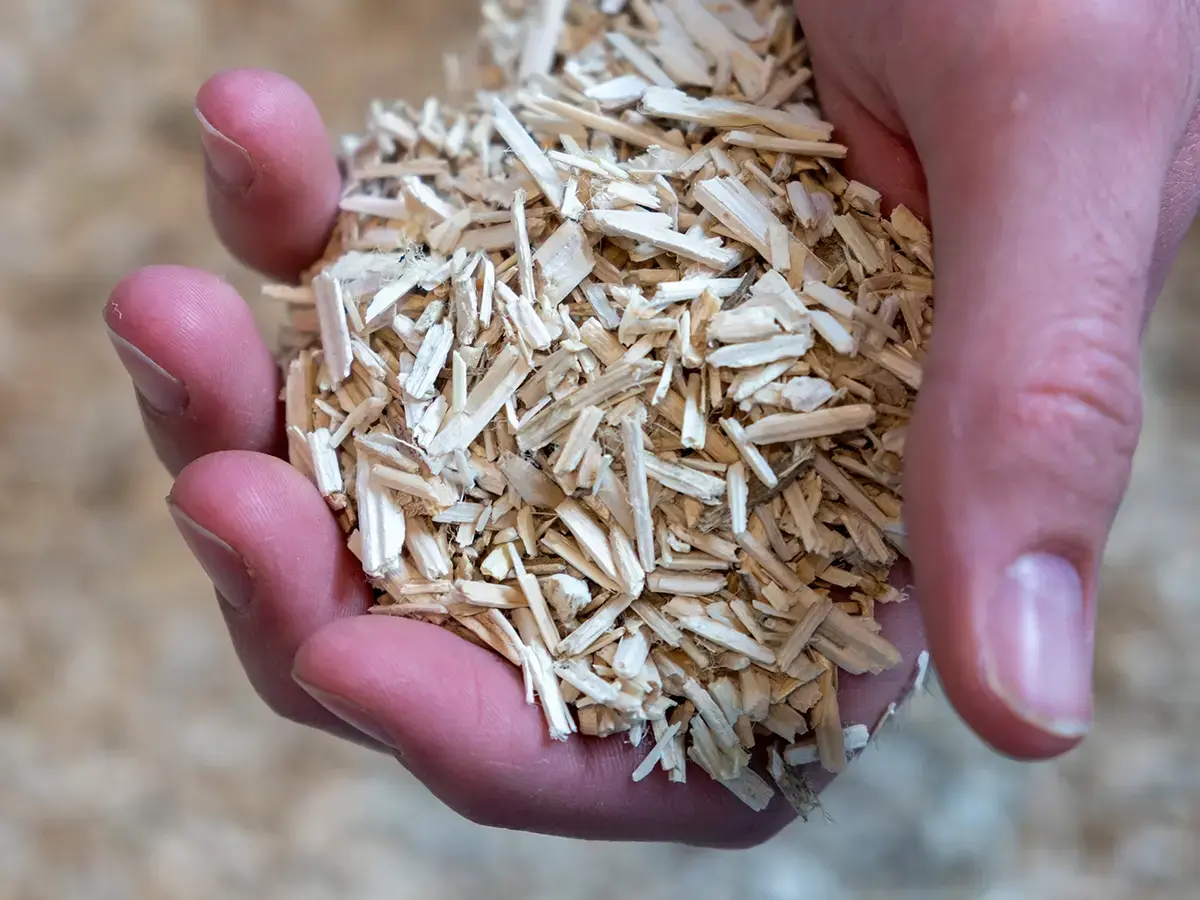
Hemp Hurd to High-Performance: Inside Green Fox Manufacturing
Hemp hurd is the woody core of …
How It's Made: Hemp Fiber Insulation
Hemp insulation manufacturing …